
por Els Pannecoucque

La palabra "Halloween" deriva de "All Hallow's Eve", que significa "la víspera del día de Todos los Santos (Hallow)". Por el nombre, se puede pensar que Halloween es un acontecimiento menos importante, ya que no tiene nombre en sí mismo, al ser "la víspera" del Día de Todos los Santos. Pero hay que tener en cuenta que este nombre se dio sólo a partir del siglo IX, para sustituir a otro más antiguo que tiene sus orígenes mucho antes de nuestra época cristiana. "All Hallow's Eve" es el nombre dado por los cristianos a la fiesta más importante del calendario celta: Samhain.
La palabra "Samhain" significa "noviembre" en gaélico escocés[1]. De hecho, Samhain era para los celtas lo que la Nochevieja es para nosotros. El 31 de octubre era el último día del antiguo año celta. A diferencia de nosotros, los celtas comenzaron a contar los días y los años a partir de la oscuridad. En el calendario, un día comenzaba con la puesta de sol y el nuevo año empezaba con el oscuro invierno. Era el momento en el que se realizaba la última cosecha y se guardaba el ganado para el invierno o se sacrificaba[2], el momento en el que la naturaleza se tomaba un descanso y entraban las oscuras y frías noches de invierno. La noche de Samhain era la transición oscura y misteriosa de lo viejo a lo nuevo. La gente creía que en esta noche concreta se podían cruzar los límites entre el mundo material y el espiritual, que era posible entrar en el mundo de los espíritus y que éstos también podían entrar en el mundo material. Se creía que los espíritus salían al exterior en la noche oscura, por los campos y hacia los pueblos. Por eso se encendían hogueras en la cima de las colinas, tanto para ahuyentar a los espíritus malignos como para mostrar a los espíritus de sus propios antepasados el camino hacia sus hogares para el invierno. Se pedía a los druidas que predijeran lo que traería el nuevo año.

Pero la cristianización de Europa comenzó con la conversión del rey franco Clodoveo al cristianismo alrededor del año 500 d.C. Pronto se creó toda una estructura de obispos y misioneros. Se fundaron monasterios. La misión fue siempre la misma: la conversión total de Europa, la creación de un poder eclesiástico que cooperara estrechamente con los reyes y emperadores de las regiones que son el origen de las mayores naciones de Europa. Un nuevo orden mundial en el que ya no había lugar para las antiguas creencias, cultos o supersticiones celtas y germánicas.
O al menos ese era el plan. Pero las tradiciones son difíciles.
Samhain siguió siendo una fiesta importante porque la gente conmemoraba y celebraba a los espíritus de sus antepasados perdidos. Esta noción es muy cercana a nuestra costumbre de recordar a nuestros familiares fallecidos en el Día de Todos los Santos. Así que se puede decir que tanto en las creencias celtas como en las cristianas, había un momento en el que se pensaba en los muertos. Pero de ambas celebraciones, Samhain es la más antigua. El Día de Todos los Santos fue creado como una fiesta cristiana alrededor de la época de la conversión de Clodoveo. Pero en su origen el Día de Todos los Santos no era el 1 de noviembre. Era el 13 de mayo.
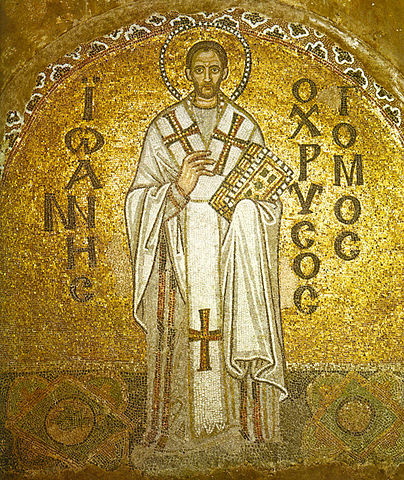 La fiesta cristiana de Todos los Santos se creó en la liturgia oriental alrededor del siglo V d.C. para conmemorar a todos los mártires en un mismo día. Antes, cada mártir se conmemoraba en su propio día de muerte, pero con el paso de los años hubo tantos mártires que resultó imposible celebrarlos a todos por separado. Por eso se convirtió en costumbre celebrar a los mártires el mismo día. El 13 de mayo se eligió a menudo después de una famosa homilía sobre "todos los santos" pronunciada por Johannes Chrysostomos en Constantinopla un 13 de mayo en algún lugar a finales del siglo IV d.C. No es hasta el año 732 que el Día de Todos los Santos es instaurado por el papa Gregorio III como una fiesta cristiana oficial, no sólo por los mártires sino también por los santos y por los muertos.
Pero todavía, como ves, no hay ningún vínculo en el calendario entre Samhain (31 de octubre) y el día de Todos los Santos (13 de mayo). Esto cambiará cien años después, en el año 834.
La conversión de Europa hacia el cristianismo no fue fácil. Las supersticiones y creencias locales seguían siendo muy fuertes. Incluso hoy, nuestras lenguas europeas están llenas de referencias a un pasado pagano. Muchos elementos de los antiguos cultos fueron incorporados por la iglesia católica y siguen formando parte de nuestro patrimonio cultural. Dondequiera que viva, piense en cinco costumbres o palabras extrañas y busque el significado que hay detrás de ellas. Una vez que rasques la superficie, encontrarás historias sorprendentes.
Así, incluso en el año 834 y después de siglos de trabajo misional, se mantuvieron muchos rituales antiguos. En las regiones del norte de los Alpes, las comunidades cristianas locales habían adoptado la costumbre de celebrar el Día de Todos los Santos no el 13 de mayo, sino el 1 de noviembre, para sustituir el antiguo e importante Samhain por su respuesta cristiana. En 834, el rey francés Luis Le Pieux pidió al papa Gregorio IV que desplazara el día de Todos los Santos del calendario cristiano hacia el 1 de noviembre, para asegurarse de que la batalla con el Samhain se ganara en todas partes. El Papa aceptó, y a partir de entonces la fiesta celta perdió su significado, porque al día siguiente se celebraban todos los santos, todos los mártires y todos los muertos. Los rituales que quedaron pasaron a formar parte del folclore, el nombre de Samhain desapareció y si se celebraba algo, se llamaba "All Hallow's Eve". Ya no hay referencias a un pasado celta.
 Quedó la costumbre de encender una vela en la víspera de Todos los Santos. Las hogueras se sustituyeron por las luces de las velas, y el deambular de los espíritus por personas que iban de puerta en puerta con la luz. Para proteger la llama, la vela solía colocarse en una remolacha tallada. Alrededor de 1840, muchos escoceses e irlandeses emigraron a Estados Unidos para escapar de la hambruna tras la enfermedad de la patata. Enviaron la costumbre con ellos, pero como las remolachas eran difíciles de encontrar al otro lado del océano, se utilizaron calabazas para sostener las velas. Las caras terroríficas que se tallan hacen referencia, por supuesto, al mundo de los fantasmas. Es en Estados Unidos donde el nombre de "All Hallow's Eve" se convirtió en "Halloween". Y es este Halloween el que volvió a nosotros, como un evento comercial.
Pero no sólo las luces y las calabazas tienen un profundo origen celta. Las brujas (del inglés antiguo "wicce") también forman parte del Halloween comercial, y remiten claramente a cultos y religiones anteriores al cristianismo, donde las mujeres desempeñaban un papel mucho más poderoso como símbolos de la fertilidad. Según varias leyendas, la diosa madre Cailleach volvía en la noche de Samhain (Halloween) como la Reina del Invierno[3] Todas esas diosas fueron degradadas en brujas, mujeres a las que temer, mujeres malvadas, bajo la influencia del cristianismo que daba un papel destacado sólo a los hombres. Así que no es de extrañar que las brujas se asociaran con el lado pagano, malvado y oscuro del otro mundo, y que aparezcan como un atributo de Halloween.
Las arañas y las telarañas[4] también se unen a nuestra fiesta de Halloween. Suelen formar parte del atributo de las brujas, junto con los gatos negros, todos ellos símbolos de miedo y mala suerte en nuestra cultura. Así que el formato comercial nos presenta un crisol de elementos que se asocian estrechamente con Samhain y, desde un punto de vista más amplio, con el miedo o la mala suerte. Los esqueletos pueden referirse a los muertos, pero lo más probable es que sean un añadido comercial.
Los huesos de santo
Una interesante tradición española que se remonta al siglo XVII es la preparación de "Los huesos de santo", un postre típico a base de mazapán, yema de huevo y almendras. Se sirve en torno al día de Todos los Santos. Su forma hace referencia a un hueso humano, a relicarios, y para su elaboración se utilizan almendras recién recolectadas.
[1] En un calendario gaélico que data probablemente del siglo I d.C. y que se encontró en Coligny (un pequeño pueblo de Francia), la fiesta se llama "Samainos".
[2] Un antiguo nombre holandés para noviembre es "mes de la matanza" (slachtmaand). Se sacrificaba el ganado y la carne se ahumaba o se escabechaba. El jamón ahumado es una invención de los celtas, ¡un famoso legado culinario para el mundo!
[3] algunas colinas de Escocia e Irlanda aún llevan su nombre.
[4] las arañas hacen una tela de araña o una telaraña. "Cobweb" hace referencia a una antigua palabra inglesa para designar a la araña, "cob", que ha desaparecido en el inglés estándar. Sin embargo, "cob" o "kobbe" sigue siendo el nombre de una araña en los dialectos flamencos cercanos al Mar del Norte.


